


Last updated: September 18, 2026
I used to perform CO2 laser resurfacing. I don’t anymore.
Not because it doesn’t work. It does. I stopped because the results I get from a combination of gentler lasers and devices are comparable, the recovery is a fraction of the time, and the risks are far smaller.
If you came here looking for CO2 resurfacing in Utah County, this page explains what changed my mind — and what I’d offer you instead.
What is CO2 laser resurfacing?
CO2 is an ablative laser. Ablative means it removes the top layer of skin on purpose. The skin then heals from the bottom up and rebuilds collagen as it goes.
It is powerful. It is also a controlled, full-face wound.
Why did you stop offering it?
Four risks, and one thing about how it’s usually done.
Infection. You’ve removed the skin barrier. For a week or more, there isn’t one.
Cold sore flares. The laser can wake up the herpes simplex virus in people who carry it — and most adults do, whether they’ve ever had a visible cold sore or not. On raw skin, a flare can scar.
Pigment loss. Skin can heal lighter than it started, sometimes permanently. There’s no reliable way to put that pigment back.
Scarring. Uncommon, but real, and not reversible.
Here’s the part that matters most. CO2 done well requires aggressive preparation before the treatment and aggressive care after it — antiviral medication, a strict wound-care protocol, careful sun avoidance, and close follow-up for weeks.
Very few clinics actually do all of that. I’ve seen what happens when they don’t.
Is CO2 ever the right choice?
Yes. For deep scarring or severe sun damage in the right patient, in the hands of someone running the full pre- and post-care protocol, it can still be the best tool available.
I’d rather refer you to someone who does it that way than half-do it here.
What do you do instead?
A layered approach, built to be repeated over time instead of survived once:
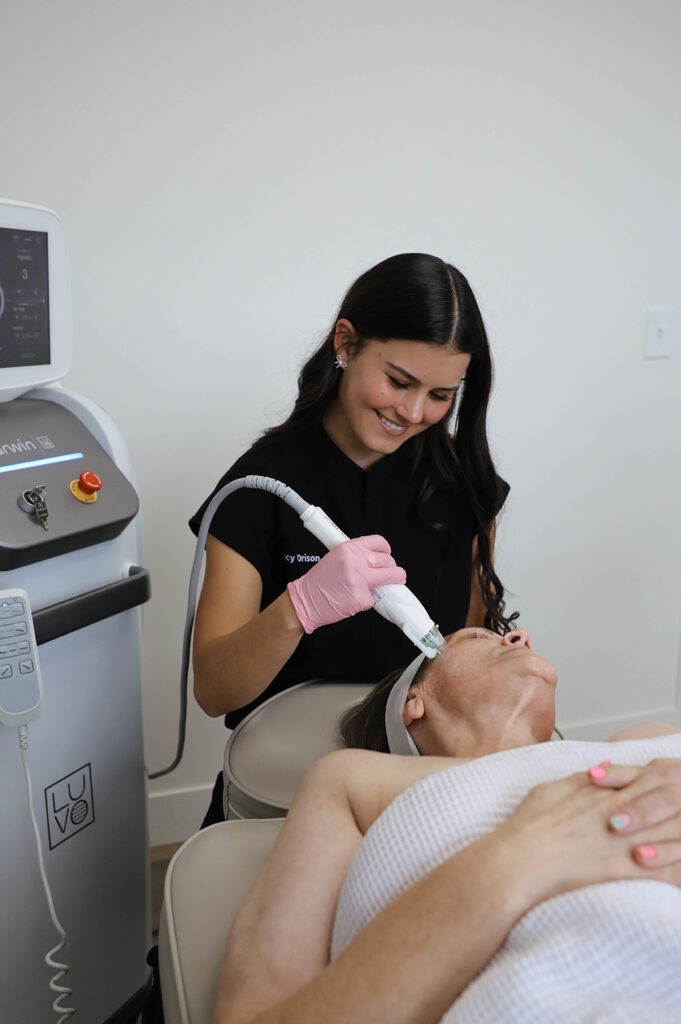
RF microneedling — heat and controlled injury delivered below the surface, with the top layer of skin left intact. Most of the collagen benefit, almost none of the wound.
Microneedling, with or without PRP — for texture, pores, and early scarring.
IPL — for brown spots, redness, and sun damage, which is what most people in Utah are actually asking about.
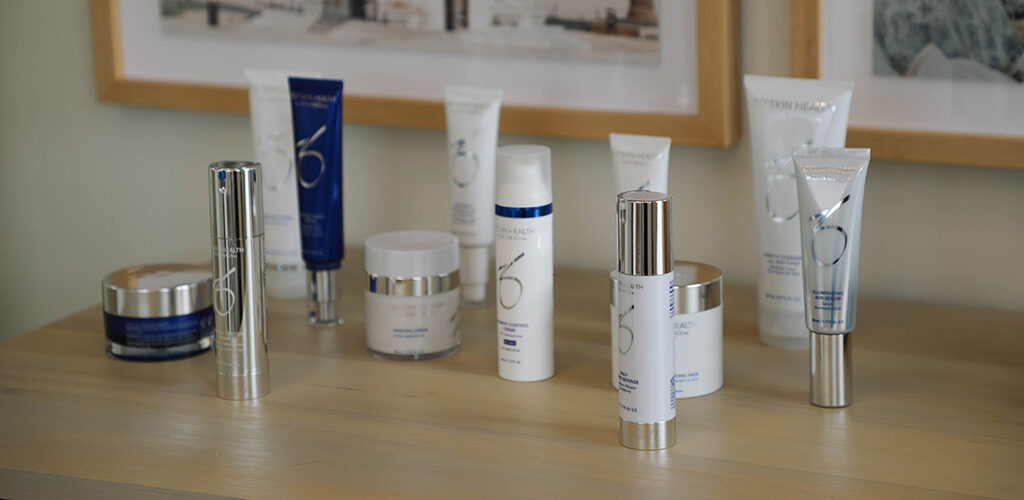
Medical-grade topicals, especially retinol — the part that does the slow, steady work between visits.
Will I get the same results?
For most people asking about resurfacing, yes — over a series of treatments rather than one.
For severe scarring or very deep lines, a single CO2 session may still do more than a series of gentler treatments. I’ll tell you that in the room if it applies to you.
How much downtime is there?
Most of these treatments leave you pink for a day or two. RF microneedling is the longest, usually two to three days.
CO2 is typically seven to fourteen days of visible healing, plus weeks of redness after that.
For most people in a normal job, with a family, in Utah, that difference decides it.
Why does this matter more in Utah?
Altitude and sun. We are at roughly 4,800 feet in the Highland–Alpine–Lehi corridor, with strong year-round UV and a lot of outdoor life.
Freshly resurfaced skin is extremely sun-sensitive. A single careless afternoon during healing can undo the result or leave uneven pigment. Treatments that don’t strip the skin barrier are simply easier to protect here.
What should I do next?
Come in and let me look at your skin. I’ll tell you honestly what I think will work, including when the answer is “not this.”
New patients get a $400 treatment credit with their first consultation.
Book Online