

Last updated: September 18, 2026
Sculptra gets a lot of hype right now. Some clinics treat it like a one-size-fits-all answer.
It isn’t. It’s very good at one specific thing, and that one thing matters a lot.
Here’s the honest version.
What does Sculptra actually do?
It stimulates your own collagen.
That’s it. That’s the whole job — and it does it well.
Sculptra isn’t a filler in the usual sense. It doesn’t add volume the day you get it. It tells your skin to build its own structure over months.
Book Online
Why does collagen matter so much?
Because of where it lives.
Your skin has layers. The top one — the epidermis — is what most skincare works on. Tone, texture, brown spots. That’s real and worth doing.
Underneath it is the dermis. That’s the structural layer, and it’s where your collagen lives. Cells called fibroblasts sit in the dermis and build it.
When the dermis thins, you get the changes no cream reaches — the flattening, the sagging, the hollowing.
Sculptra’s whole job is to wake those fibroblasts up and get them building again. So does strong retinol. So does RF microneedling. All three are talking to the same cells in the same layer, just in different ways.
That’s also why combining them hits harder than any one alone.
So why isn’t Sculptra your first choice?
Because it isn’t the only thing that builds collagen — and it isn’t the easiest.
Three things stimulate the fibroblasts well:
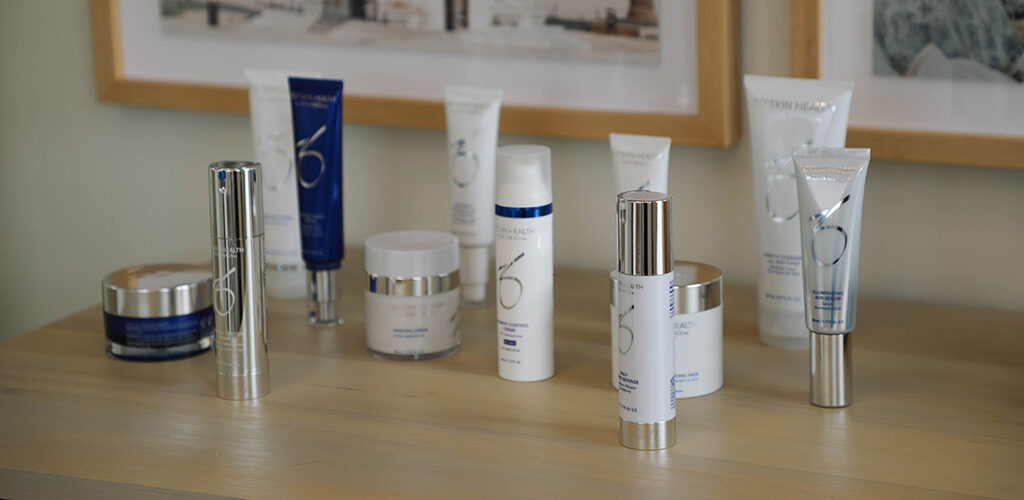
Strong retinol. Medical-grade, used consistently. No downtime, low cost, and it works the whole time you’re using it.
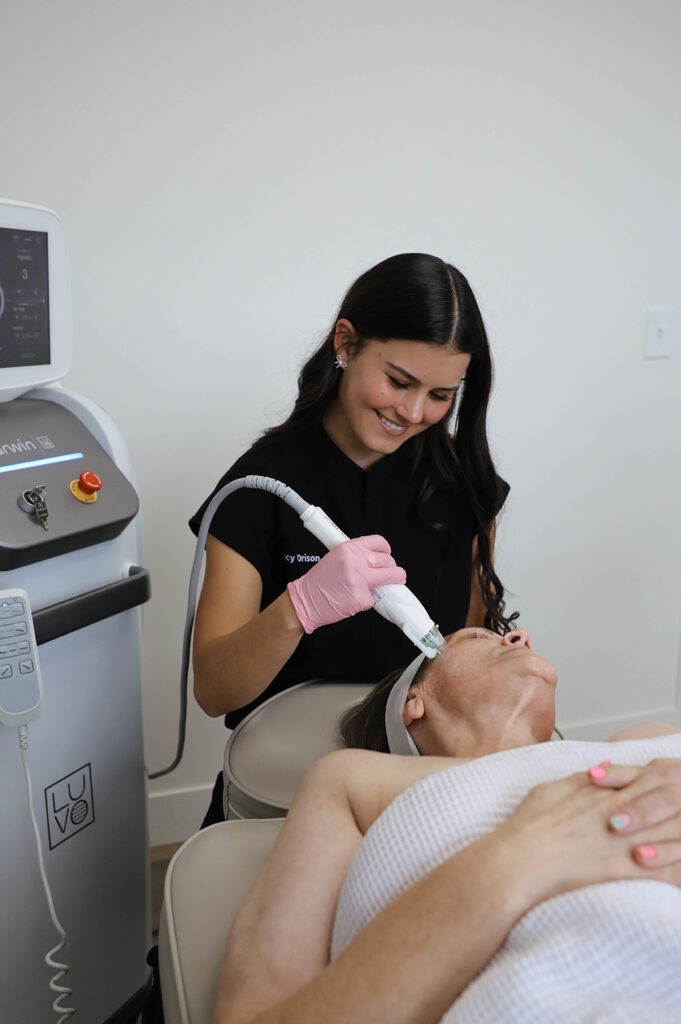
RF microneedling. Heat and controlled injury below the surface. A few days of being pink, and it does real structural work.
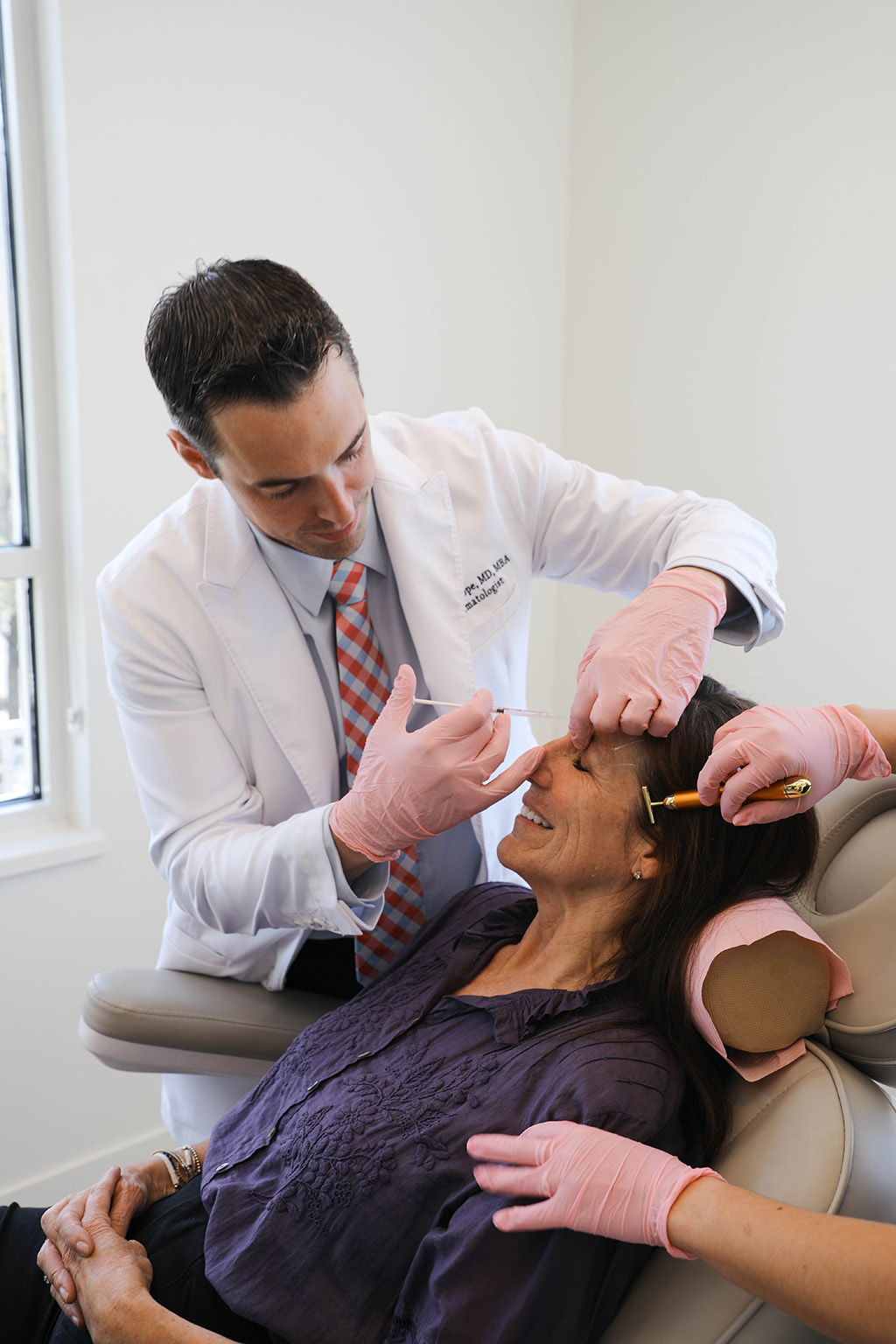
Sculptra. Powerful, but it asks the most from you.
Ranked on results per hassle, Sculptra is my third choice. Not because it’s worse — because the other two get you a long way with far less friction.
When do you recommend Sculptra, then?
When someone genuinely needs aggressive collagen stimulation.
In that case I don’t pick one. I combine all three — retinol working daily, RF microneedling building structure, and Sculptra driving the deepest response.
That combination is considerably stronger than any one of them alone. That’s the situation Sculptra is built for.
What are the downsides nobody mentions?
Three, and you should hear them before you decide.
You’ll be puffy. Big and puffy for a few days after each session. It’s temporary, but it’s noticeable. Don’t schedule it the week of an event.
Bruising. Common, and sometimes significant.
Homework. A lot of massaging, on a schedule, for days after each treatment. This isn’t optional — it’s how the product settles evenly. If you won’t do the massage, Sculptra isn’t the right treatment for you.
Is Sculptra worth it?
For the right person, yes. I like it a lot.
But “the right person” is a real filter, not a formality. It’s a nuanced recommendation, and anyone selling it to you as the answer for everything hasn’t thought about it hard enough.
How do I know if I’m that person?
Come in and let me look at your skin.
I’ll tell you honestly where you’d get the most for your money — and quite often that’s retinol and RF microneedling first, with Sculptra added later if you actually need it.
New patients receive a $400 treatment credit with their first consultation.